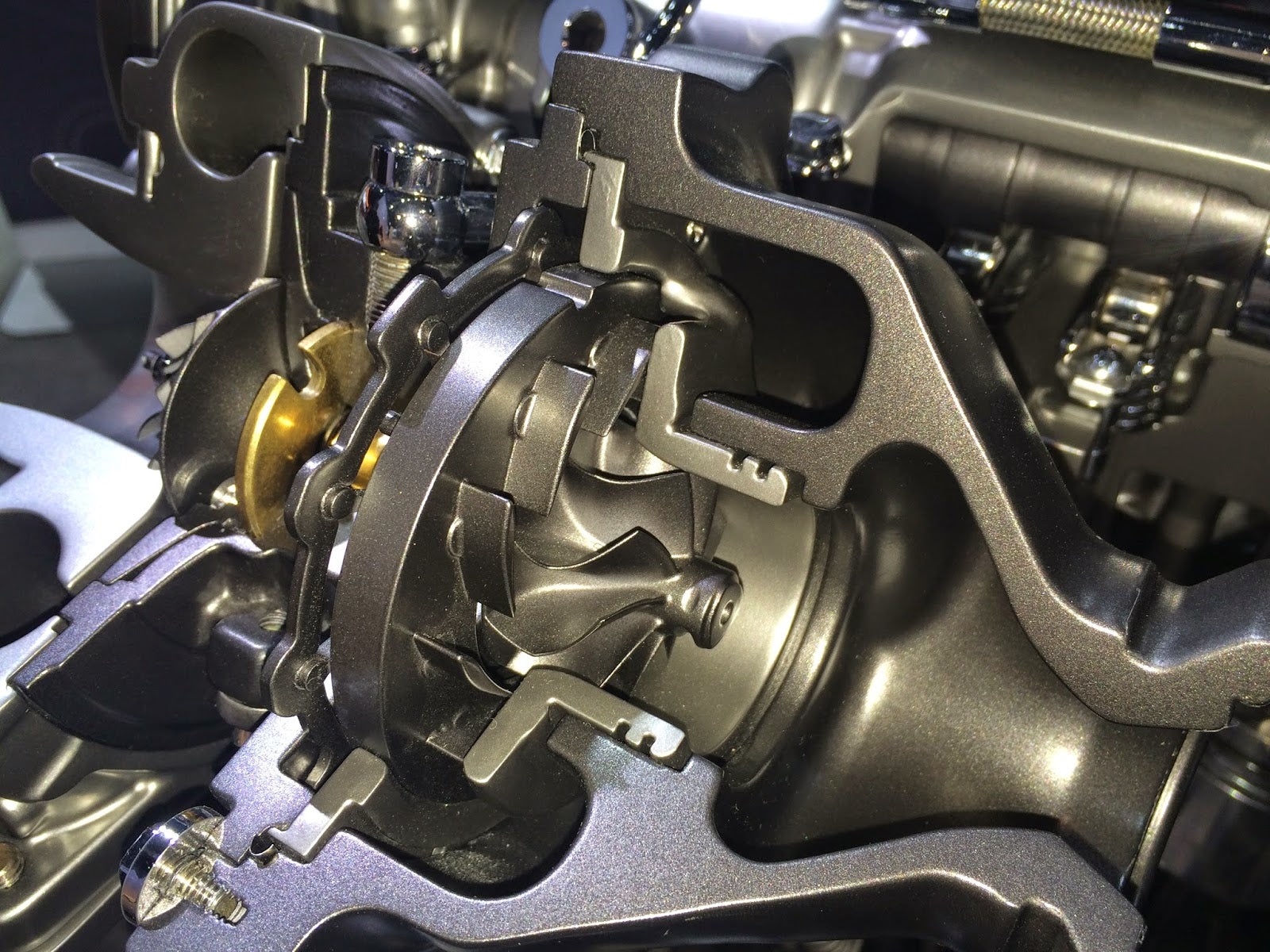
A variable geometry turbo changes the exhaust flow through its turbine to suit what the engine needs. VGT is a general name for this technology; Garrett uses the name VNT for its variable-nozzle designs.
The turbine and compressor do different jobs
Exhaust gas drives the turbine wheel. A shaft connects it to the compressor wheel, which compresses the air going into the engine. The variable mechanism works on the exhaust side.
How the vanes control flow
On common vane-type turbos, adjustable vanes change the passage leading into the turbine.
- At low engine speed: the vanes can move towards a more closed position, narrowing the passage and increasing the energy driving the turbine. This helps build boost and response.
- As exhaust flow increases: the vanes can open further, allowing more flow and helping control boost and turbo speed.
The engine control system continually adjusts the mechanism for operating conditions. The exact position also depends on the manufacturer's control strategy, so those two examples aren't a manual adjustment procedure.
What the actuator does
The actuator moves the mechanism. Depending on the turbo, it may be operated pneumatically or electronically. It needs to match the turbo and its calibration.
Sticking vanes, linkage faults, damaged wiring or an actuator problem can affect boost control. An engine warning or underboost code needs testing before deciding which part has failed.
Before repairing or replacing one
Only alter stop screws or factory adjustments as required by the manufacturer's procedure. Some repairs need specialist flow calibration, and some installations need an electronic adaptation procedure.
Send us the full turbo number and vehicle details when checking a replacement. Have the workshop establish the cause of the fault and follow the procedure for that exact application.